Bathtub Refinishing in Burbank — How the Process Actually Works
Not all refinishing jobs are equal. The difference between a coating that peels in two years and one that lasts fifteen comes down to preparation, materials, and precision. Here's an honest look at exactly what professional bathtub refinishing involves — and why shortcuts cost you more in the long run.
6-Step Process
No steps skipped — every job follows our full professional protocol
4 Surface Types Covered
Cast iron, fiberglass, acrylic, and porcelain — all handled correctly
Professional-Grade Coatings
Industrial two-part polyurethane, not hardware-store spray paint
10–15 Year Coating Life
Proper technique means results that genuinely last
Surface Types & What Each Requires
Cast Iron / Porcelain-on-Iron: The gold standard of bathtubs. Heavy, excellent heat retention, and holds coatings better than any other material. Requires acid etching to open the porcelain pores before primer adhesion.
Fiberglass: Common in homes from the 1980s onward. Lightweight but prone to surface crazing and flex cracks. Must be flexed and inspected before coating — any structural flexing requires repair before refinishing.
Acrylic: Found in most modern tubs and shower surrounds. Susceptible to chemical damage, so the wrong prep chemicals will permanently damage the surface. Proprietary acrylic-compatible primers are mandatory.
Cultured Marble / Composite Porcelain: Less common but present in many Burbank homes. Requires a gel coat repair process before topcoat application to fill any stress fractures in the gel surface.
Steel Enamel: Similar to cast iron but thinner. Less thermal mass means faster temperature changes during coating application must be accounted for in the spray schedule.
The 6-Step Refinishing Process
Deep Chemical Cleaning
All soap scum, mineral deposits, body oils, and cleaning product residues are stripped using professional-grade degreasers. Any contamination left on the surface will cause the coating to fail — so this step is never rushed.
Chip & Crack Repair
Chips, cracks, rust pits, and surface gouges are filled with a two-component epoxy filler, shaped, and wet-sanded flush to the surrounding surface. Skipping this step results in lumps visible through the topcoat.
Surface Profiling (Etching or Sanding)
Depending on the substrate, the surface is either chemically etched (for porcelain/iron) or mechanically scuffed (for fiberglass/acrylic) to create a microscopic profile for the primer to grip. This step is what makes coatings permanent rather than temporary.
Bonding Primer Application
A substrate-specific bonding primer is applied in one even coat and allowed to flash off to the correct tack. The primer bridges the gap between the bare substrate and the topcoat system, providing chemical adhesion that mechanical adhesion alone cannot achieve.
Topcoat Spray Application
Two to three coats of industrial-grade two-part polyurethane or acrylic urethane are applied using a professional HVLP spray gun in a controlled, overlapping pattern. Film thickness is monitored between coats to ensure uniform build without runs or sags.
Inspection, Buffing & Cure Instructions
Once the final coat reaches initial cure, the surface is inspected under raking light for any imperfections. Minor texture is wet-sanded and machine buffed to a high gloss. The homeowner receives written care instructions to maximize the coating's service life.
Professional vs. DIY Refinishing — The Real Difference
Understanding what separates a durable professional job from a DIY kit that fails within months.
Equipment Quality
Professional HVLP spray systems atomize coatings at 10–25 PSI, creating an even, fine-particle film. Aerosol cans from hardware stores apply coatings unevenly at inconsistent pressure — the difference is visible immediately and critical to adhesion.
Coating Chemistry
Consumer refinishing kits use single-component coatings that never fully cross-link and remain chemically soft. Professional two-part polyurethane systems cure through a chemical reaction, reaching true hardness and chemical resistance that one-part products can never match.
Prep Time Investment
Most DIY applicators spend 15–30 minutes on prep. Professional technicians typically spend 60–90 minutes preparing the surface before a single drop of coating is applied. Prep is 80% of the job — everything else follows from a properly prepared surface.
Ventilation & Safety
Two-part polyurethane coatings require a supplied-air respirator during application — not a dust mask. Professional refinishers use proper respiratory protection and set up forced ventilation. DIY applicators routinely expose themselves to hazardous isocyanate compounds.
Failure Modes & Re-Do Cost
When a DIY refinishing job fails — and the majority do within 12–18 months — the failed coating must be completely stripped before a professional job can be applied. That stripping work adds $100–$200 to the final professional cost. DIY rarely saves money in the end.
Color Consistency & Custom Tints
Professional coatings can be tinted to any color with industrial tinting systems, providing a factory-matched finish. DIY kits are limited to a handful of standard whites and off-whites with no true color-matching capability.
Process & Materials FAQ
Detailed answers to technical questions about how bathtub refinishing actually works.
We use a two-part aliphatic polyurethane topcoat system — the same chemistry used in industrial and marine applications where durability and chemical resistance are critical. This is not a single-part acrylic paint. The two-part system undergoes a chemical cross-linking cure that produces a hard, glossy, water-resistant surface that can withstand daily use for a decade or more.
Significant flex in a fiberglass tub can cause any rigid topcoat to crack over time. Before refinishing, we assess the degree of flex by applying pressure to the bottom panel. If the flex exceeds a threshold, we first install an under-tub support system (foam backing injected beneath the tub) to eliminate movement. Only then do we proceed with refinishing. This step prevents premature cracking and is included in our fiberglass refinishing service.
Two-part polyurethane reaches initial cure (touch-dry and light-use ready) within 18–24 hours at room temperature. Full chemical cure, where the coating reaches its maximum hardness and chemical resistance, takes approximately 7 days. During that first week, we recommend avoiding harsh cleaning chemicals. After 7 days, the surface is fully hardened and you can clean it with standard bathroom cleaners.
Yes, but the failed coating must be completely removed first. Applying professional coatings over a failing single-component layer will cause the new coating to delaminate along with the old one. We use chemical strippers and mechanical abrasion to remove all prior coating down to bare substrate, then proceed with the full 6-step process. This adds approximately $75–$125 to the job cost depending on how much old coating needs removal.
Coating adhesion occurs through two mechanisms: mechanical (physical interlocking with surface texture) and chemical (molecular bonding between the primer and substrate). On smooth surfaces like glazed porcelain, there is almost no mechanical profile — so chemical bonding via acid etching becomes essential. Skipping the etch leaves the primer relying on weak van der Waals forces that fail under thermal expansion cycles. Etching creates a microscopic anchor pattern that multiplies contact surface area and dramatically improves peel resistance.
Before & After Gallery
See the amazing transformations we've achieved for our Burbank clients.
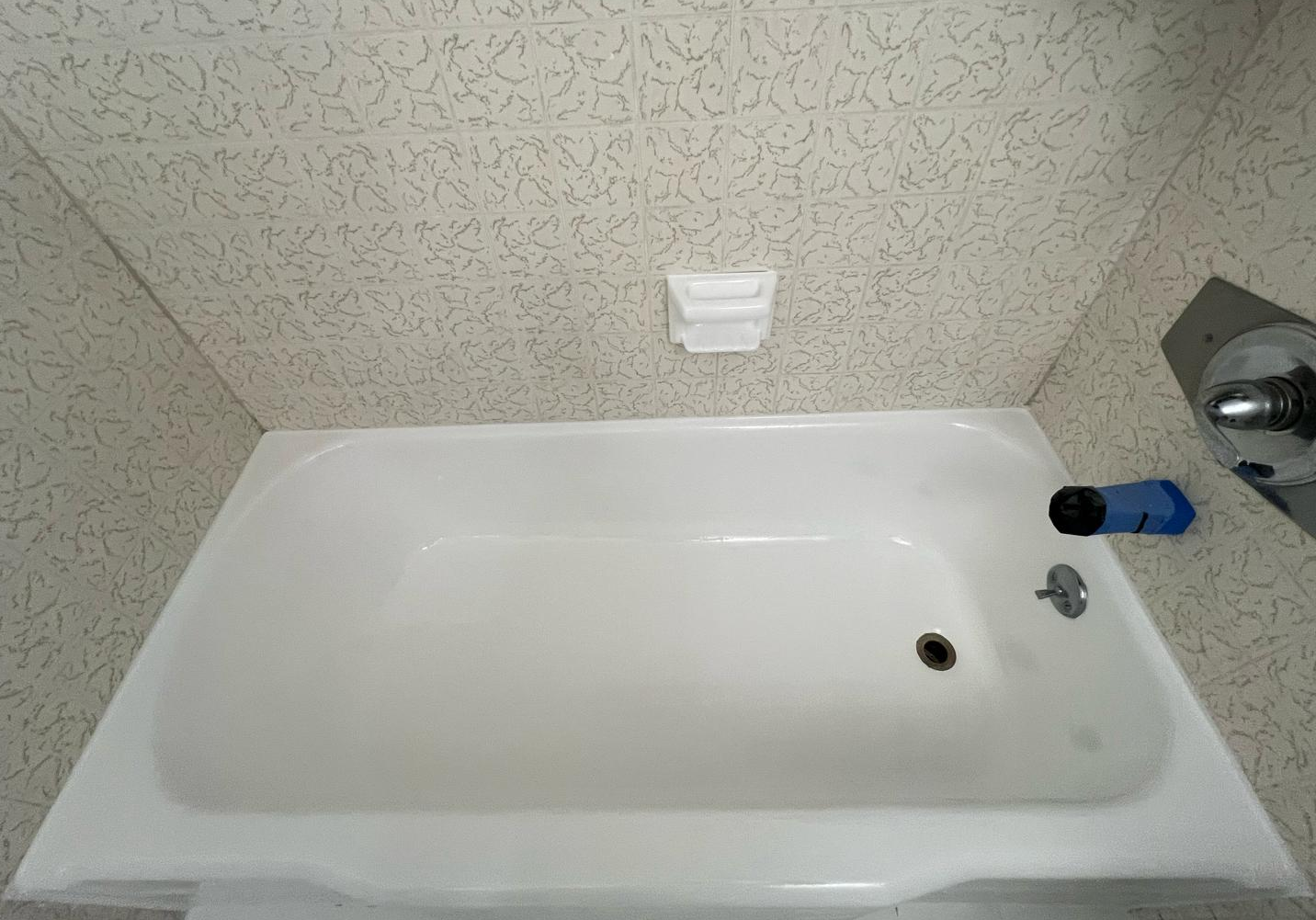
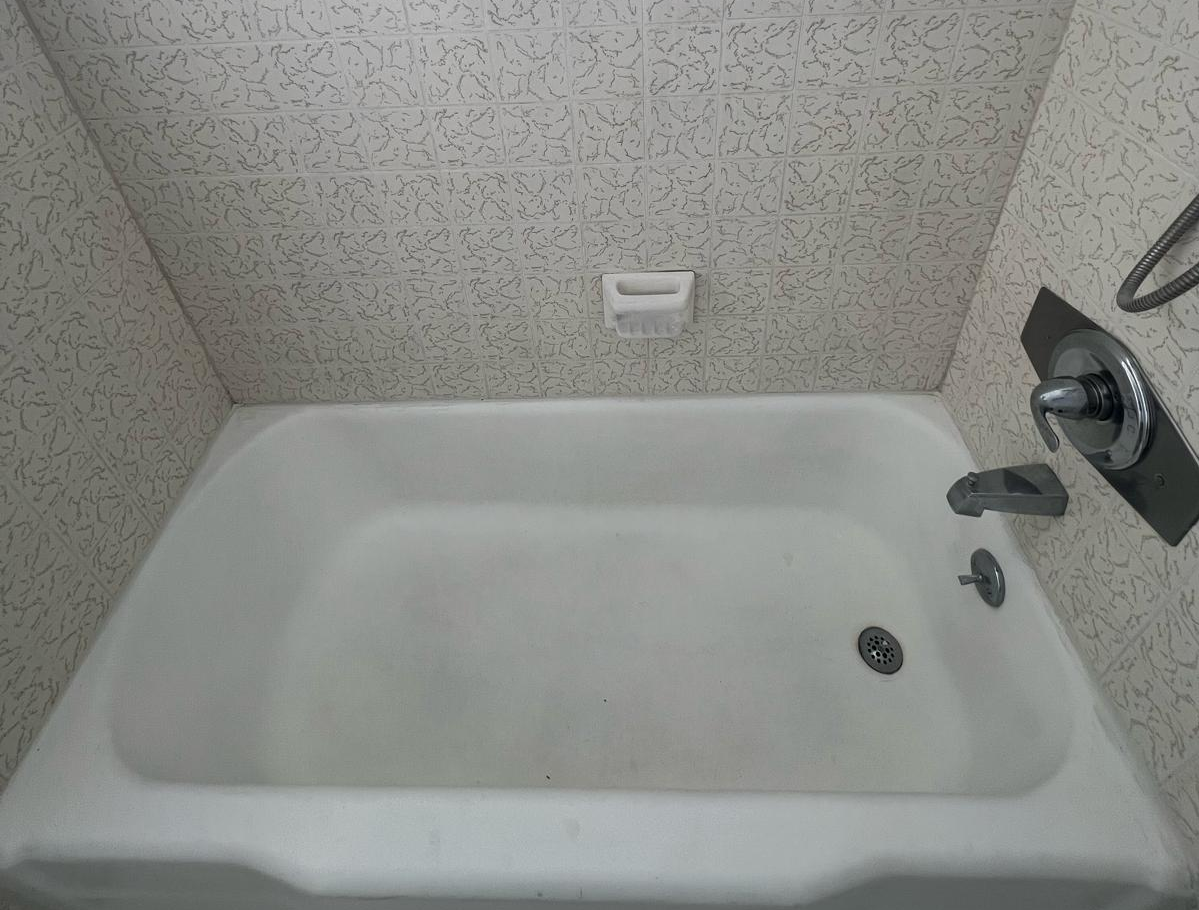 Before
After
Before
After
Bathtub Reglazing
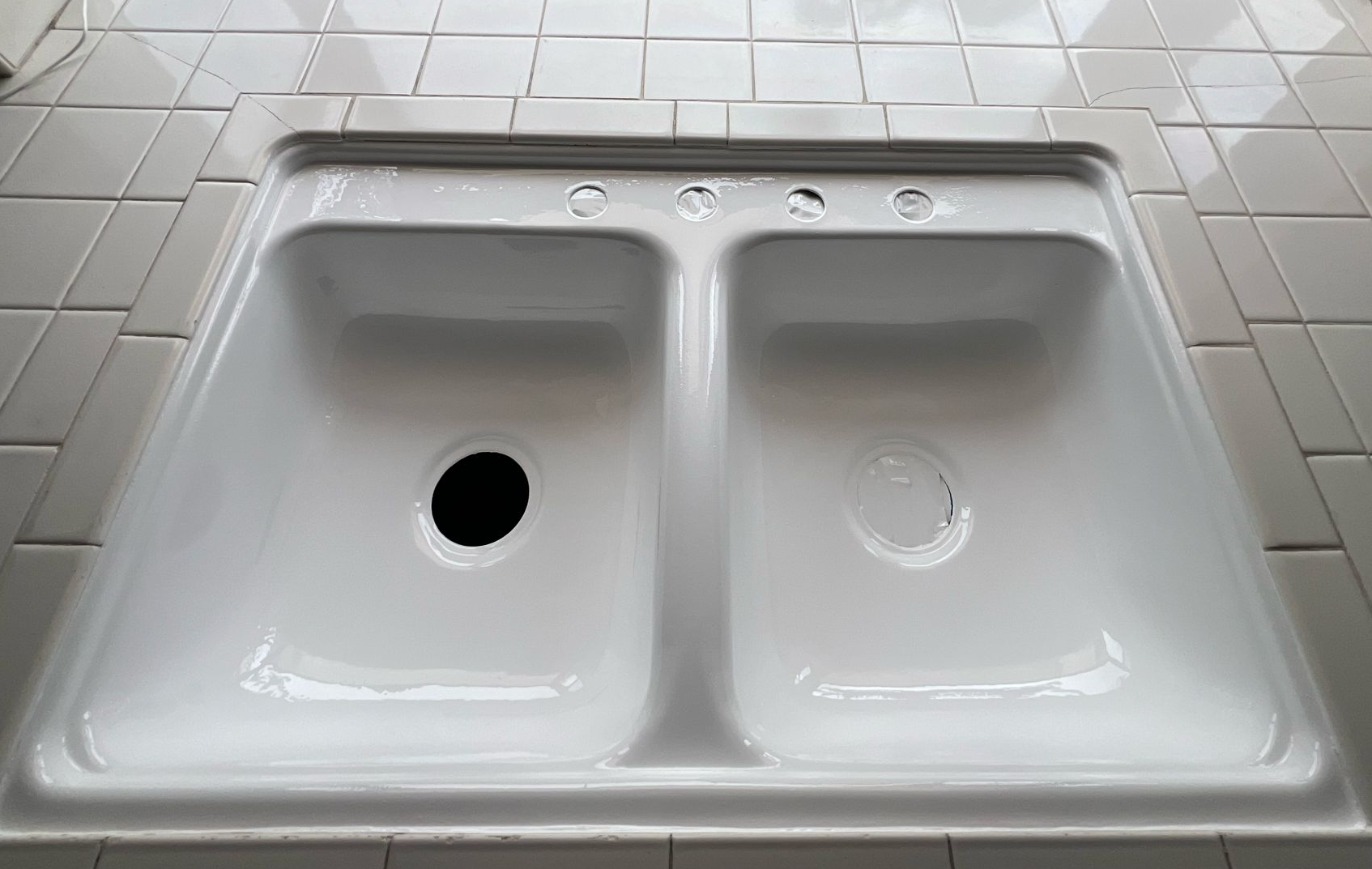
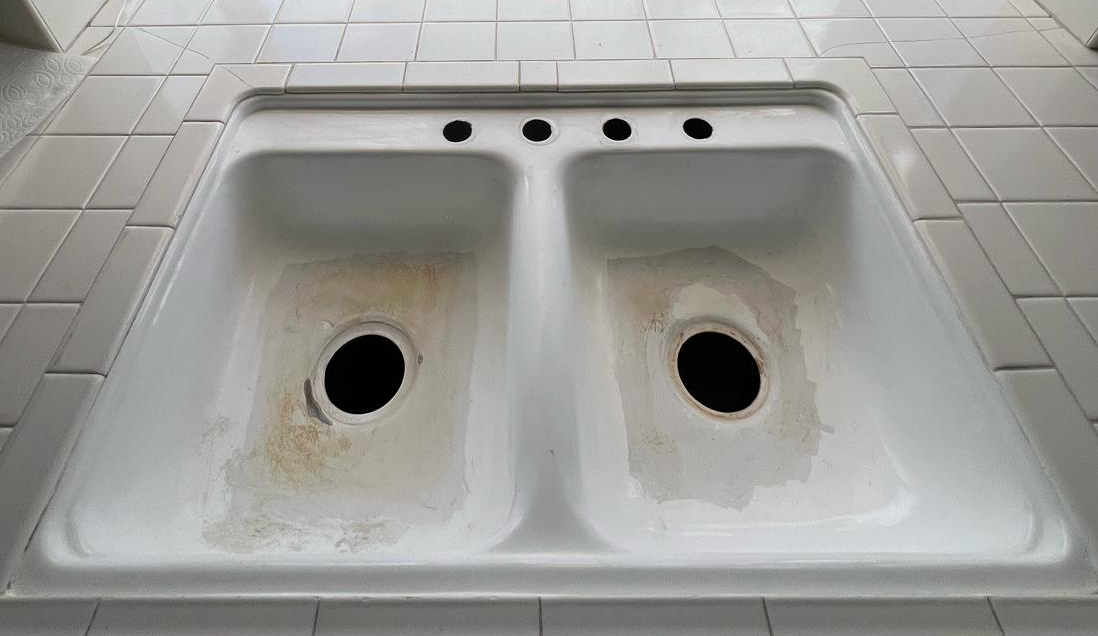 Before
After
Before
After
Sink Reglazing
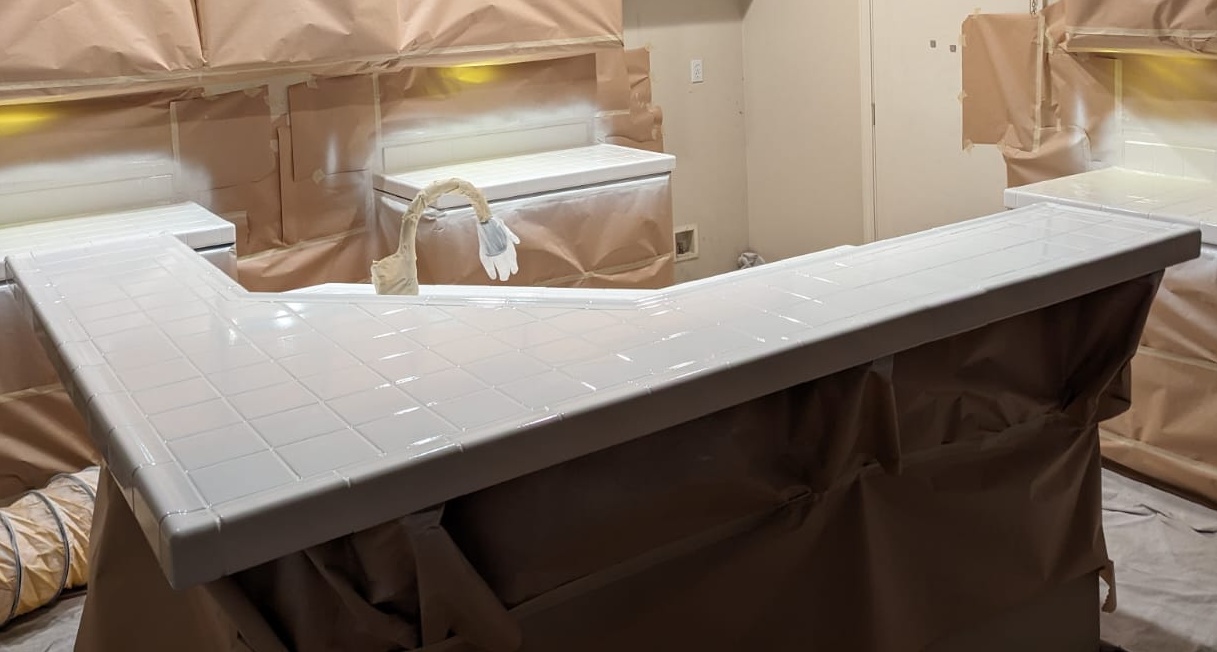
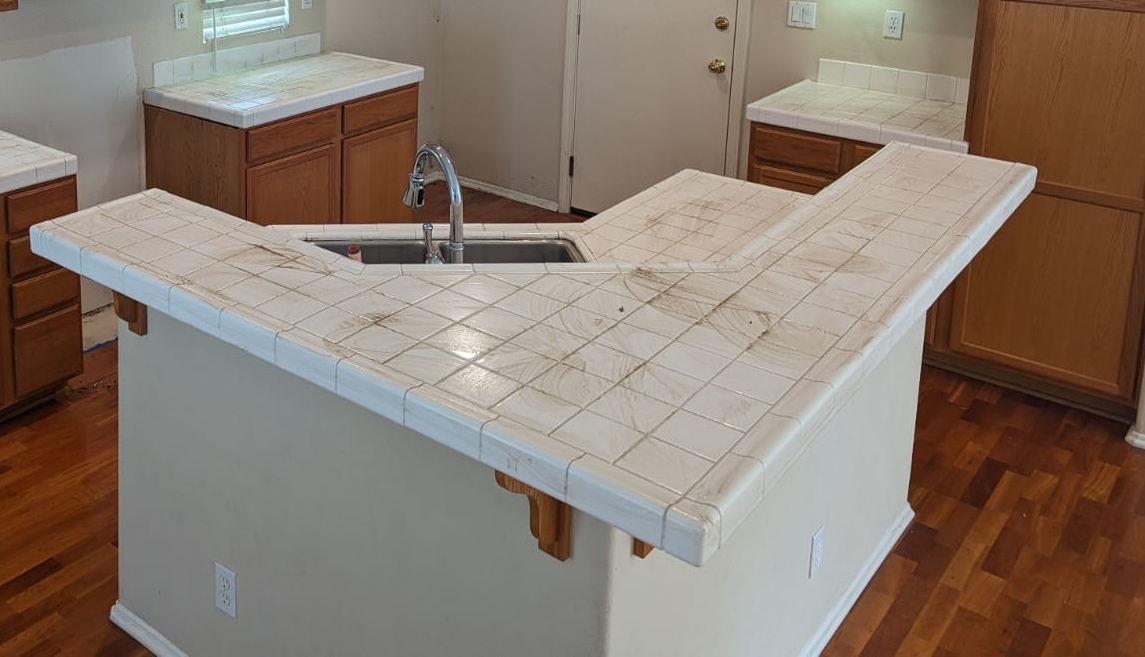 Before
After
Before
After
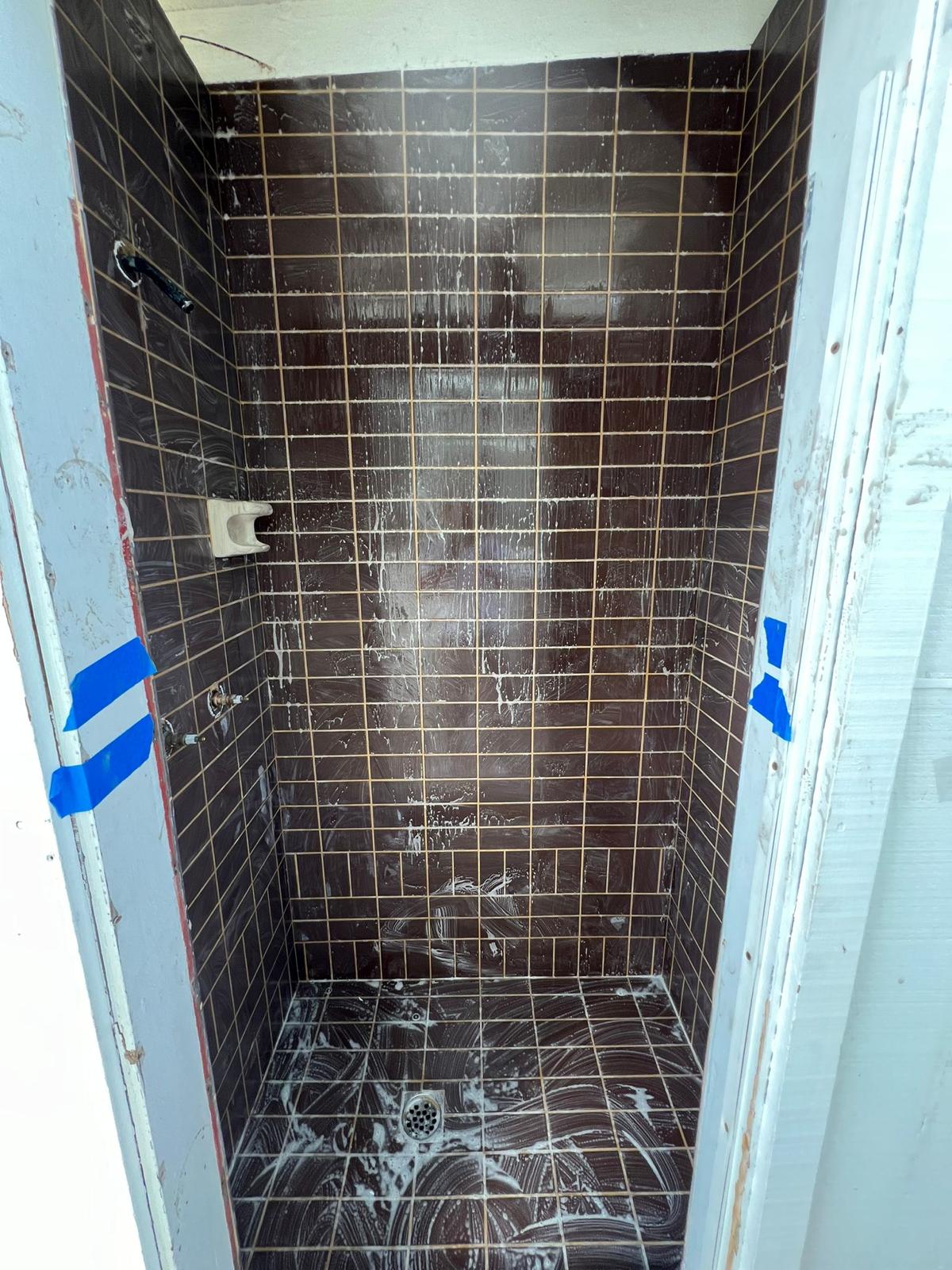
Countertops Reglazing
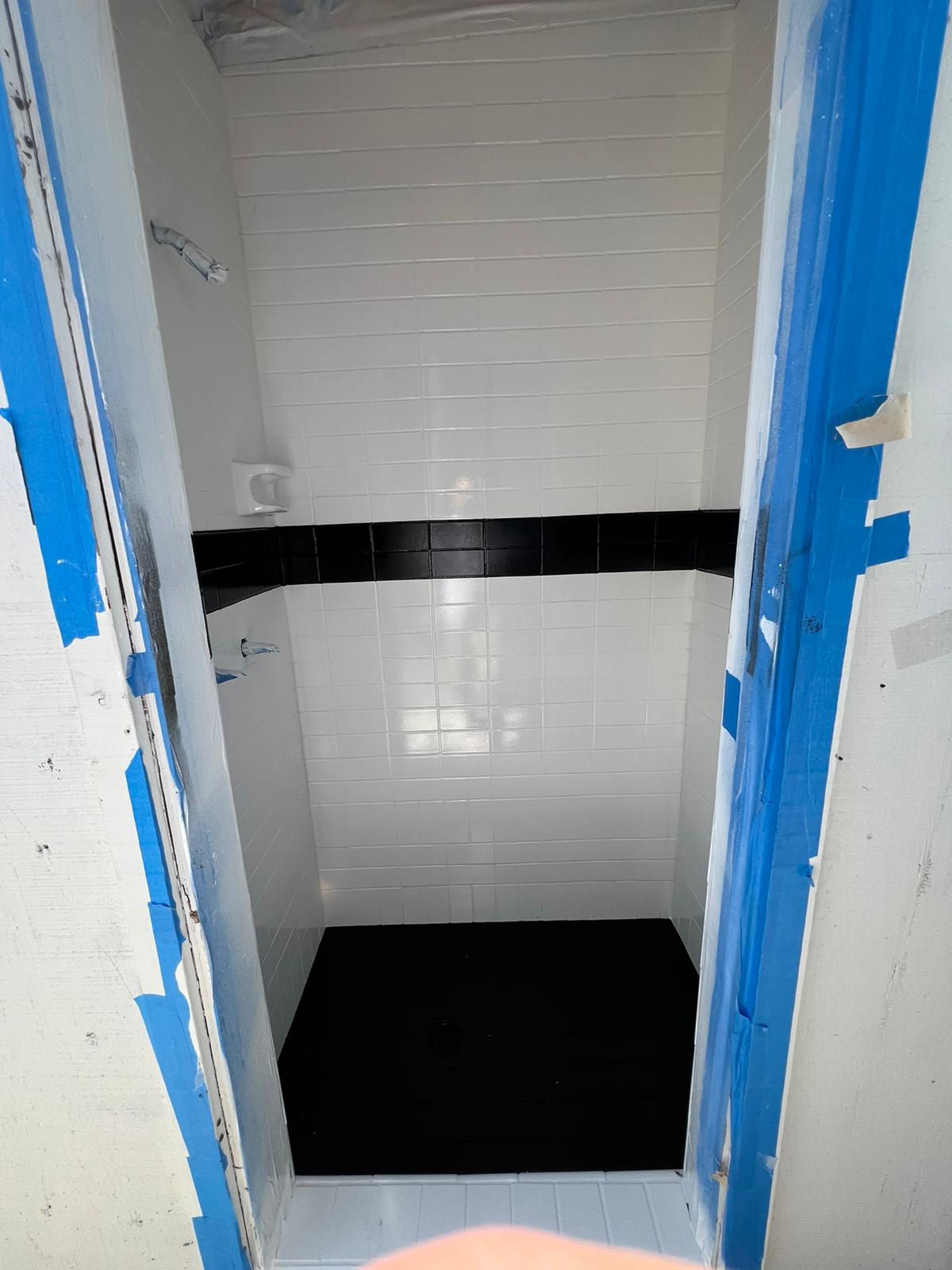
 Before
After
Before
After
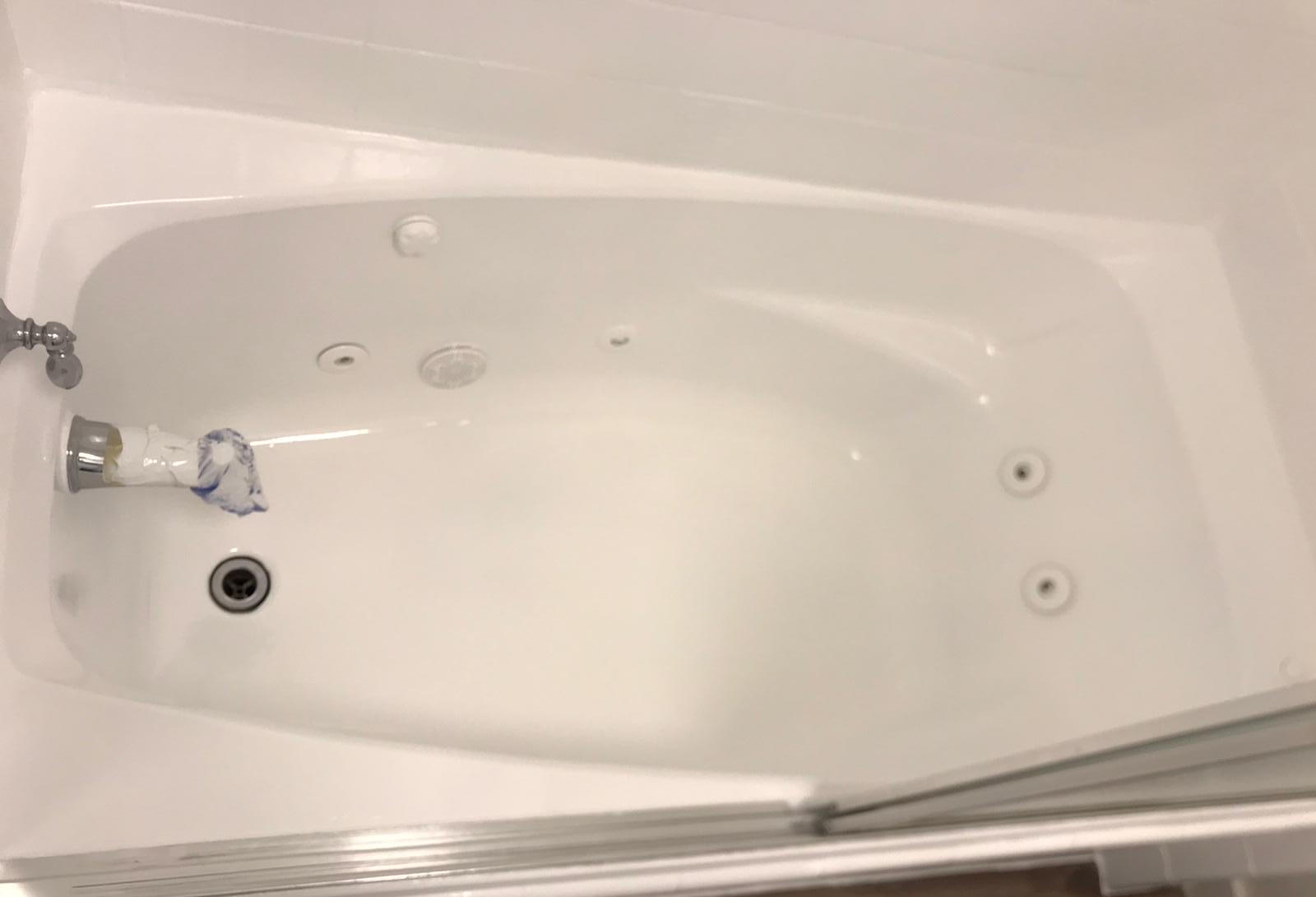
Shower Reglazing
 Before
After
Before
After
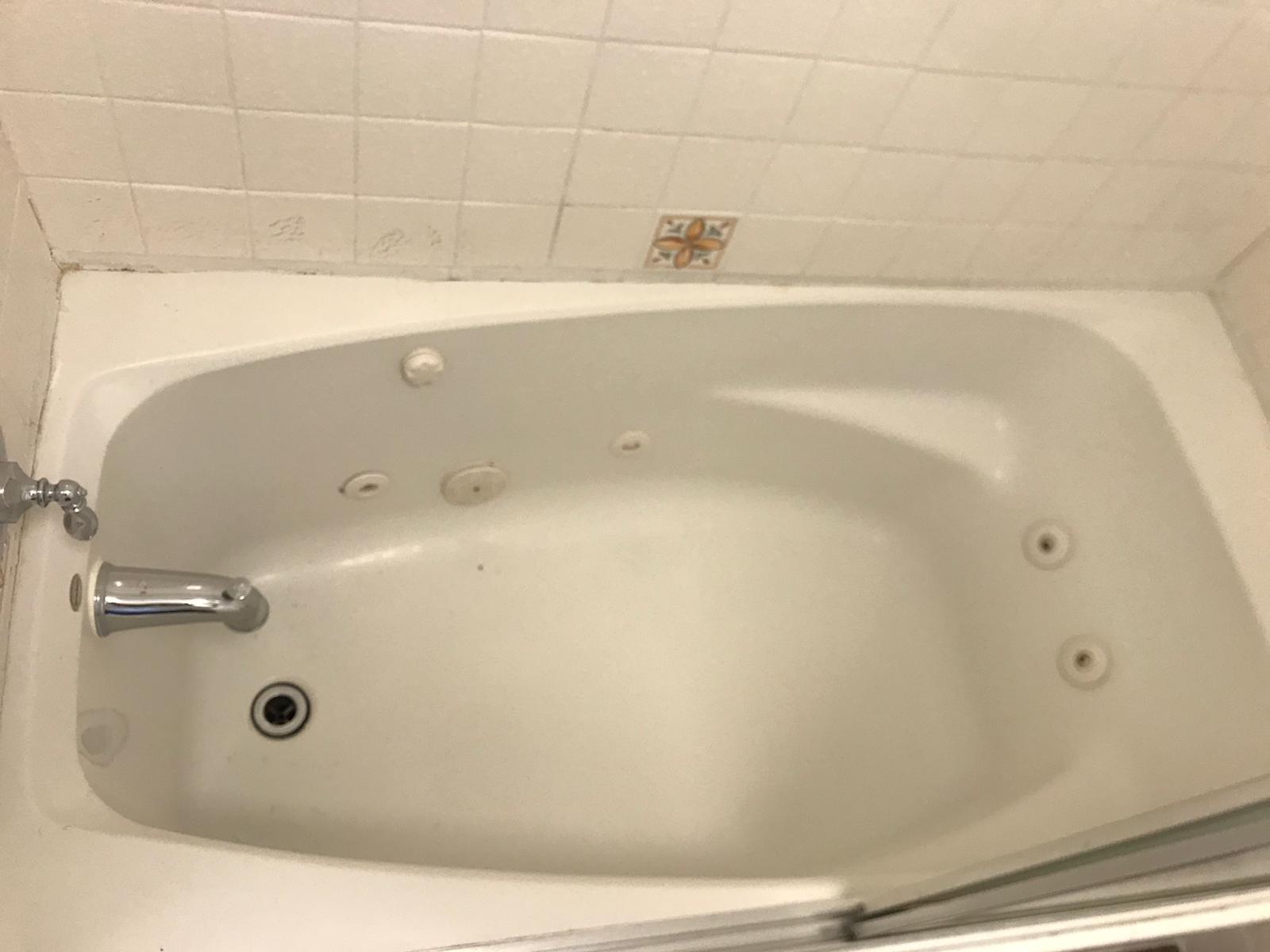
Jacuzzi Reglazing
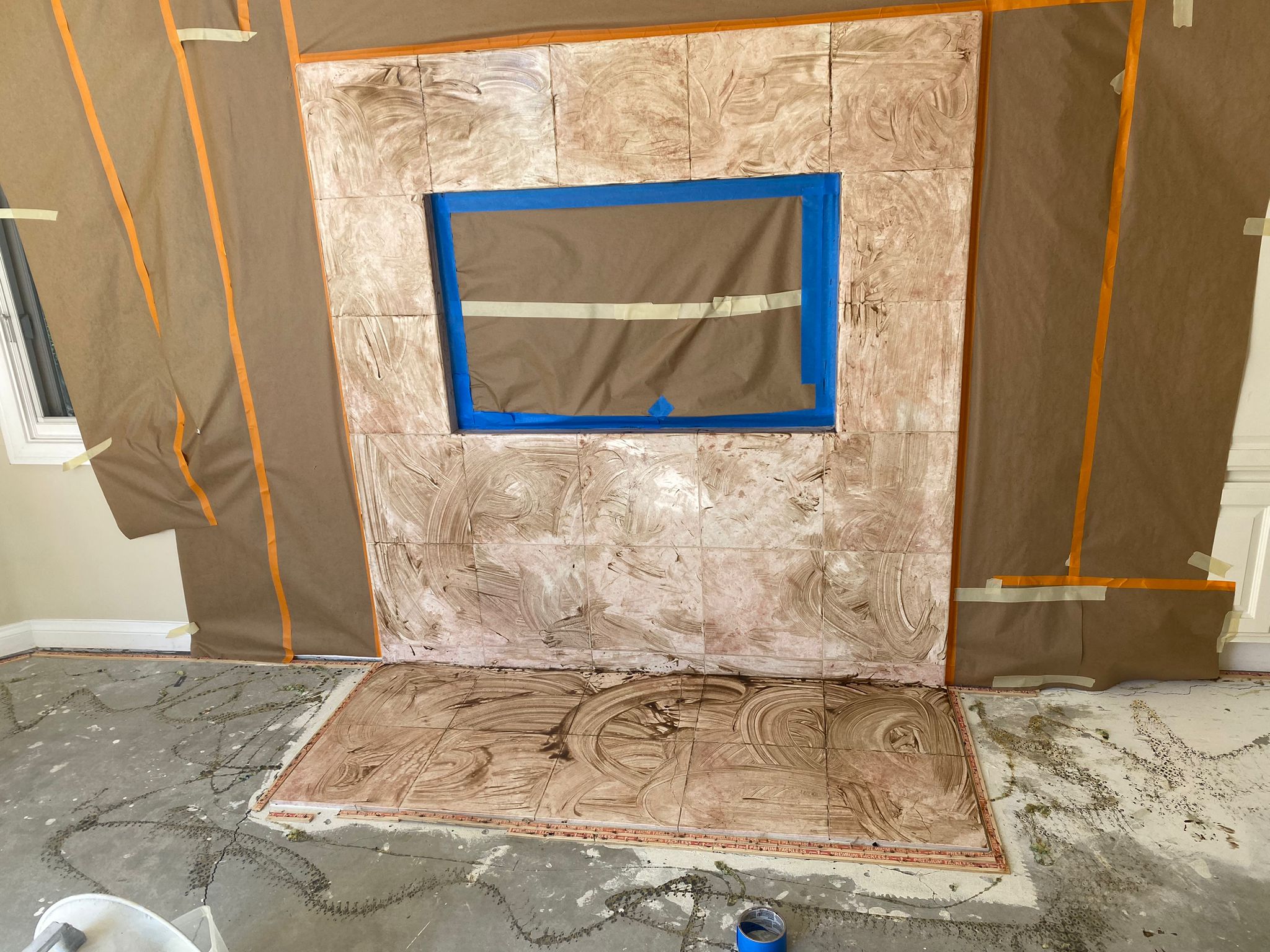 Before
After
Before
After
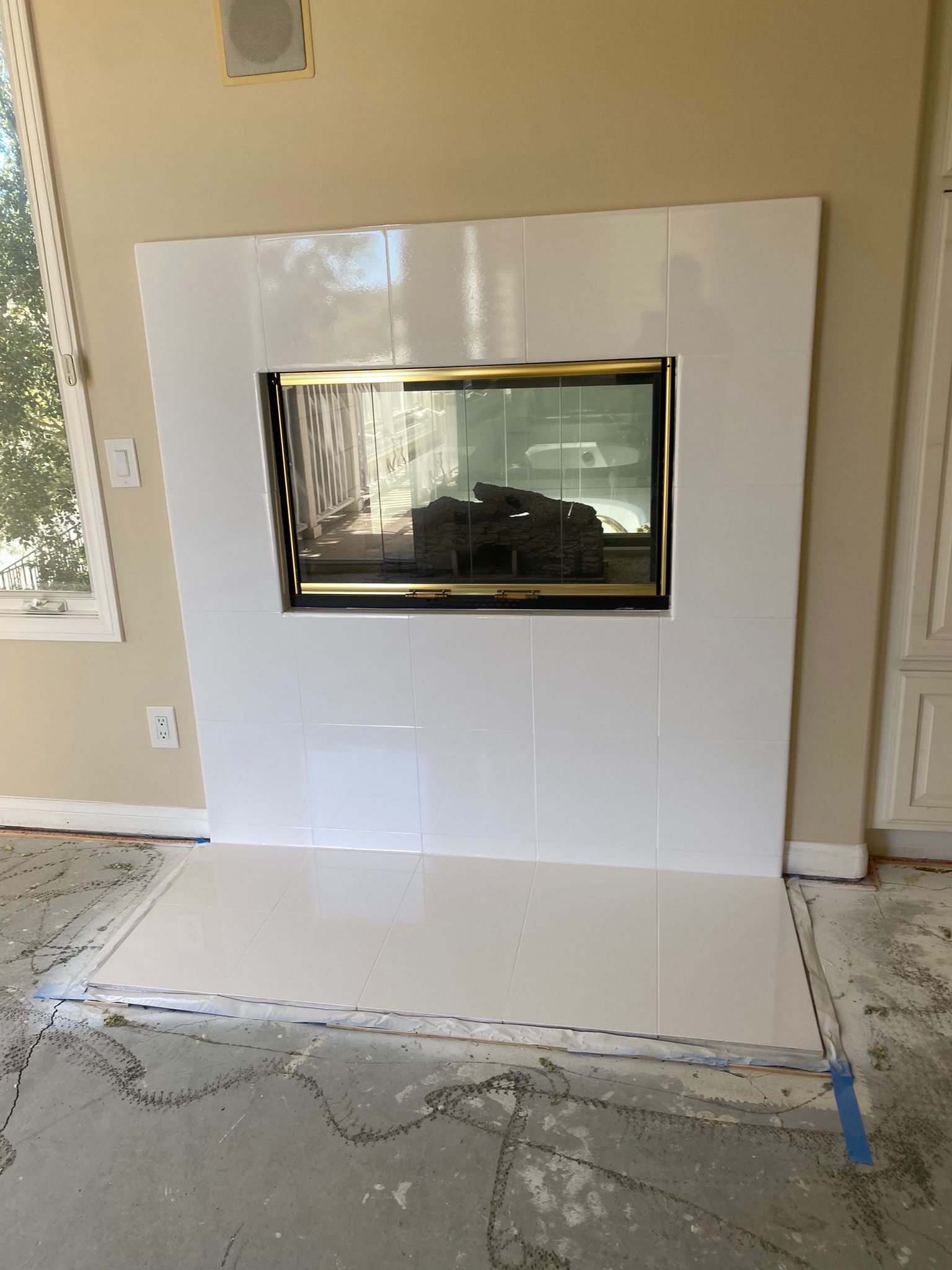
Tile Reglazing
Drag the slider to compare before and after
Ready for a Refinishing Job Done Right?
Now that you know what proper refinishing looks like, see the difference in person. We'll assess your tub's material, current condition, and give you an honest quote — no upselling, no pressure.
Get a Refinishing Job That Actually Lasts
Our full 6-step professional process is the only way to guarantee a coating that performs for a decade or more. Call today or fill out the form above.